
Initiatives

The National Tenants Bill of Rights
The National Tenants Bill of Rights outlines fundamental protections for the 114 million Americans who rent their homes. The policy agenda is designed to shape action at the federal level, but its principles and policies are also applicable at the state and local levels to ensure the basic right of tenants to a stable, safe, and healthy home.
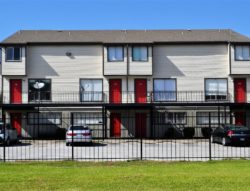
Housing Preservation: Saving Affordable Homes
In recent years, Congress has allocated very little funding to build new affordable housing. Additionally, the structure of federally supported affordable housing multifamily properties creates certain long-term affordability risks because they are privately owned by for-profit and nonprofit owners. These include properties under both HUD and USDA Rural Development programs with federally subsidized mortgages (federally insured or direct federal loans with below-market interest rates) and with project-based rental assistance contracts.
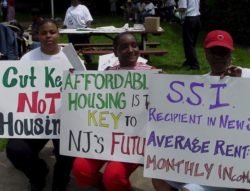
Housing Voucher Utilization
The cornerstone of the Section 8 Housing Choice Voucher program is the ability of voucher families to move from one unit to another while continuing to receive rental assistance. Families can move with continued assistance both inside and outside the jurisdiction of the public housing agency (PHA) that issued the family’s voucher (renting a unit outside of the issuing PHA’s jurisdiction is referred to as “portability”).

Protections for Survivors of Domestic and Sexual Violence
Survivors of domestic and sexual violence face a number of serious housing problems related to the acts of violence committed against them. In reauthorizing the Violence Against Women Reauthorization Act of 2013, Congress recognized that families are being discriminated against, denied access to, and even evicted from housing because of their status as survivors.


Fair Housing & Housing for People with Disabilities
Housing discrimination remains a barrier to equal access to housing for too many individuals and families. Landlords may, for example, discriminate against rental applicants on the basis of race or national origin. Or, tenants who experience a disability are often denied a reasonable accommodation that would allow them equal access to housing.

Housing Opportunities for People Reentering
NHLP established its Reentry Initiative in an effort to increase access to federally assisted housing for people leaving incarceration. For many individuals returning to the community, federally assisted housing is the only option for decent and affordable shelter. Harsh admission policies, however, often prevent people with a criminal record from obtaining such housing. NHLP advocates for public housing authorities and private owners of federally assisted housing to adopt more flexible admission policies and to set aside units for individuals returning to the community.

Tenants and Foreclosure
Foreclosures on rental properties pose an often overlooked threat to tenants. When a landlord-owner defaults on a mortgage and isn’t able to resolve the delinquency, ownership of a tenant’s home can transfer through a foreclosure sale, leaving the tenant with a new landlord and a host of potential problems, including insufficient information to continue making rent payments, deterioration of the property, utility shutoffs, loss of security deposits, and evictions.
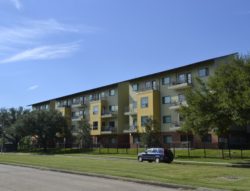
Utility Allowances, Energy-Efficiency, and Renewables in Affordable Housing
Affordable housing programs usually establish restrictions on tenant rent contributions – either income-based rents or formula rents. In either case, tenant contributions must cover both rent and a reasonable amount of basic utilities. Where utilities are tenant-paid, tenants must receive a credit toward their total rent contribution known as a “utility allowance” to ensure compliance with the program’s rent limitations. Although details vary among specific programs, the basic standard for utility allowances is to approximate “reasonable consumption,” using current utility rates.