
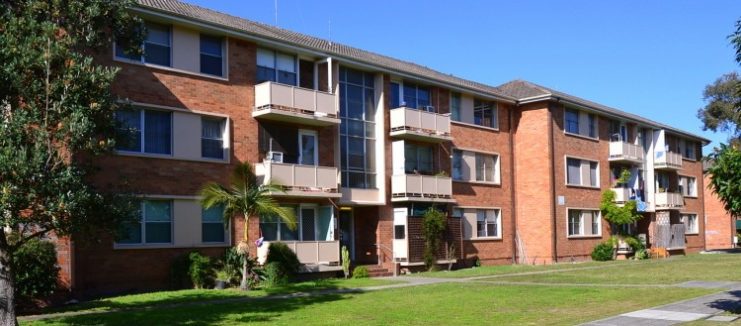
Public Housing
The United States Housing Act of 1937 (42 U.S.C.A. § 1437) established the public housing program, which produced nearly 1.4 million units nationwide. Largely because of dispositions, demolitions and the Rental Assistance Demonstration, there are currently approximately 1 million units remaining in the public housing program. The Department of Housing and Urban Development (HUD) (via its headquarters in Washington, D.C., 10 regional offices, and many local offices) administers operating funds and capital funds provided by Congress to approximately 3,300 public housing agencies (PHAs) to house eligible low-income tenants. In expending these federal funds, PHAs are subject to Section 3, which is designed to provide economic and employment opportunities to low and very low-income residents, including public housing residents.
Public housing is limited to low-income families and individuals. Public housing residents must have incomes below 80% of the Area Median Income (AMI). Nearly two-thirds of public housing households are considered “extremely low income,” with incomes below 30% of the AMI and an average annual income of $14,605. Additionally, 31% of public housing residents are seniors (> 62 years old), 30% of public housing households include a non-elderly family member who experiences a disability, and 3.3 million children live in public housing.
Congress and HUD establish the federal rules for the public housing program that PHAs must follow. Overseen by a locally appointed board of commissioners, PHAs have discretion to adopt local policies and procedures that do not conflict with federal laws and regulations, including any selection preferences, via an Admission and Continued Occupancy Plan (ACOP). In consultation with a Resident Advisory Board (RAB), PHAs are also required to develop Five-Year and Annual Plans in which they set forth their local rules.
Public housing is exclusively funded by Congressional appropriations. Because Congress has not adequately funded public housing for decades, public housing units nationwide need a combined $45 billion (and rising) in repairs. In addition, Congress has not provided any funds to build new public housing units since the mid-1990s. This lack of funding for new and existing public housing units makes it especially critical to ensure the preservation and rehabilitation of existing public housing units. The ability of PHAs to demolish or dispose of public housing, or of certain PHAs to waive purely regulatory requirements under the Moving to Work program, adds to this risk. Additionally, the Rental Assistance Demonstration (RAD) program creates some opportunities to preserve and rehabilitate existing public housing, but allows for significant local discretion and little oversight by HUD that may impact existing tenants.